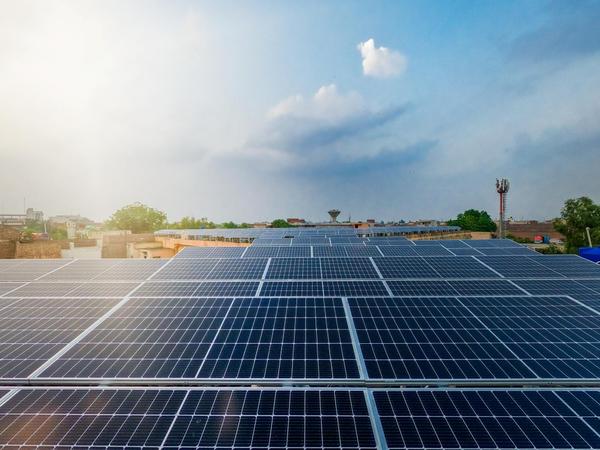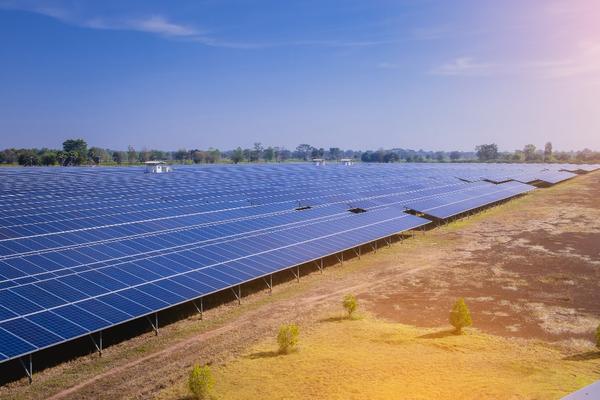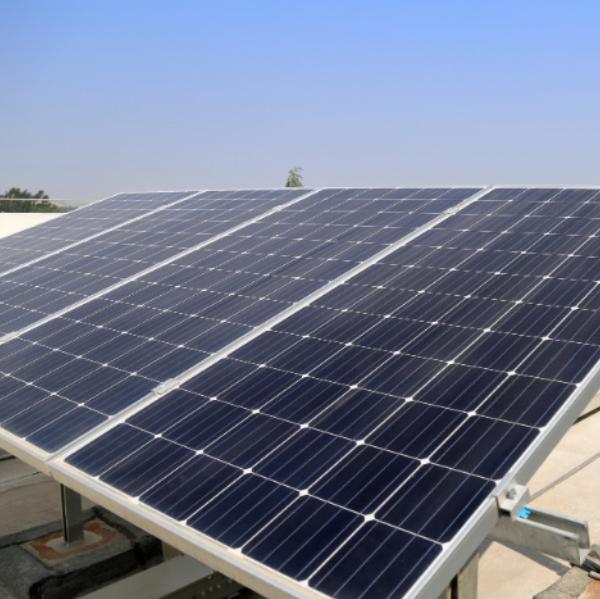



At first glance, solar rooftop installation may seem like a straightforward activity, panels are mounted, connected, and power starts generating. But the actual performance of the system depends heavily on how it is designed before installation even begins.
Every rooftop is different. Factors like direction, tilt, shadow from nearby buildings, and available space all influence how much energy the system can generate. In Gurugram, where building structures vary from independent homes to high rise commercial units, these variables become even more important. Solar Experts typically focus on these design aspects early, ensuring that the system is aligned with real world conditions rather than just theoretical output.
Another key aspect is system sizing. Installing a larger system than required may increase cost without proportional benefit, while a smaller system may not meet expectations. Finding the right balance requires understanding electricity usage patterns over time, not just a single month’s bill.
There is also the question of future needs. Some users may want to expand capacity later or integrate battery backup. Planning for this at the design stage avoids rework in the future.
If you are considering rooftop solar, taking time to understand how design decisions impact performance can help you get better results over the long term.